ご挨拶

黒﨑輝男を偲び、彼が私たちに残してくれた時間や記憶、人とのつながりを分かち合う場として、「Teruo Kurosaki Celebration of Life — Existence」を開催します。

悲しみだけではなく、ともに過ごした日々や交わした言葉、それぞれの場所で共有した風景や時間を思い返しながら、静かにその存在に触れていただけるひとときになれば幸いです。

当日は、ゆかりのある方々とともに思い出を語り合い、感謝を込めてその歩みを振り返ります。どうぞ気負わず、いつもの皆さまでお越しください。

NPO法人 Farmers Market Association
Teruo Kurosaki Celebration of Life 事務局

開催概要

日時
2026年6月27日(土)
15:00 - 18:00(受付開始 14:30)
会場
HOME/WORK VILLAGE
住所
〒154-0001
東京都世田谷区池尻2丁目4-5
会費
無料
お気持ちをお寄せいただける場合は、
基金へのご寄付 にご協力いただけますと幸いです。

プログラム

14:30
開場
1F 受付
15:00
開会の辞
1F 体育館
15:10
思い出の言葉
1F 体育館
15:30
献杯
1F 体育館
15:45
歓談
1F 体育館、校庭、中庭、
2F ギャラリー 他
18:00
閉会の辞
1F 体育館

ご参加に際して

  • 本会は、どなたでもご参加いただけます。
  • ご自身が心地よいと感じる服装でお越しください。 カジュアル・フォーマル、どちらでも構いません。
  • ご香典・ご供物・ご供花は、辞退させていただきます。
  • 受付にてお名刺を頂戴いたしますので、ご持参いただけますと幸いです。
  • 歓談の時間には、軽食とお飲み物をご用意しております。
  • 当日は記録撮影を行います。 撮影した写真・映像は、後日アーカイブ等で使用させていただく場合がございます。

黒﨑輝男について
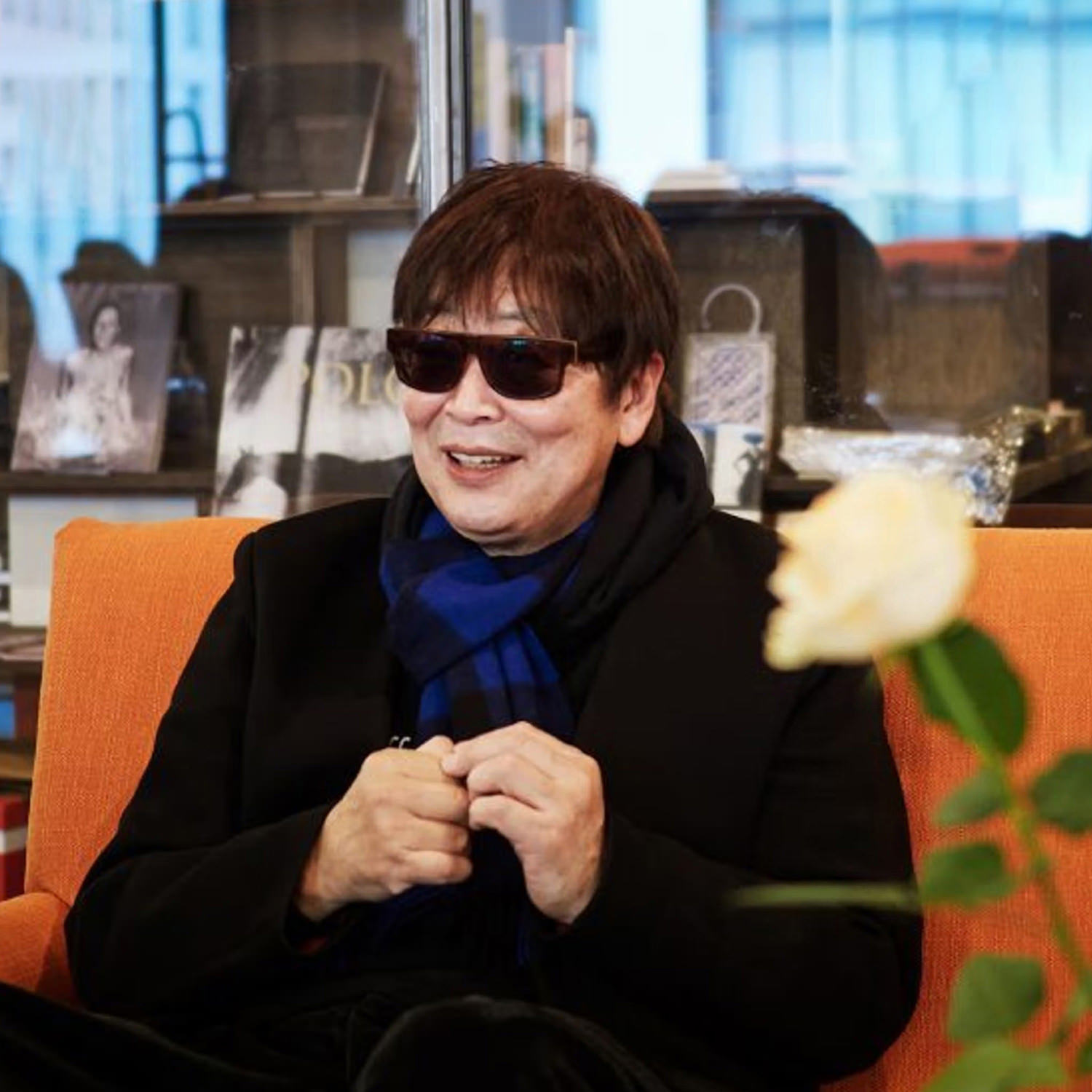
黒﨑輝男は、人や場所、文化の中に新しい価値やつながりを見出し、それを形にしていく人でした。

食、農、デザイン、ものづくり、場づくりなど、多様な領域を横断しながら、多くの人々や地域を結びつけ、新しい風景やコミュニティを生み出してきました。

彼の周りには、いつも自然と人が集まり、会話が生まれ、挑戦が始まっていました。その温かさ、ユーモア、自由な発想、そして人を信じる力は、これからも多くの人の中に残り続けます。

黒﨑輝男

メッセージ

隈研吾

隈研吾建築都市設計事務所

黒﨑輝男さんと自由の思い出

イデーの創業者の黒﨑輝男さんが亡くなって本当にさびしい。彼は、若い才能を発見する天才であり、僕の知る限り、日本で最高の目利きであった。「原稿を書いてくれませんか」というのが、彼からもらった最初の連絡だった。まったく無名だった僕に、彼が創刊する不思議な雑誌への寄稿を頼まれたのである。

なぜかわからないが、彼のまわりだけ、空気が自由に流れているようで、引きつけられた。それがきっかけで長い付き合いが始まり、いろいろなものを一緒に作ったり、考えたりした。おもしろいと思うものがなぜか重なることが多く、アメリカのポートランドがおもしろいと思っていたら、彼もすでにポートランドといろいろ遊び始めていた。

彼には才能を発見する特別な目がそなわっているようで、日本にオーストラリアから留学中のマーク・ニューソンに横断歩道で傘を貸してあげて友達になり、デザインを依頼して、それがひとつのきっかけとなってマークが世界一のプロダクトデザイナーになるエピソードは、最高に楽しい自慢話だった。後日、僕はマークとも一緒に日本酒ブランドIWAのしごとをした。

パリののみの市でゴミのように積まれていたガラクタの中から、セルジュ・ムーユの照明を発見して、それからムーユの世界的大評価が始まったというエピソードも痛快だった。

去年は、福井のESHIKOTOでソバ屋とパン屋を一緒に作って遊んだ。地元の青山で、若いデザイナーを育てるタリアセンみたいなものを作ろうというネタが、僕らの最近の酒のツマミだった。自由というものの価値を教えてくれた、かけがえのない先輩だった。

Astrid Klein & Mark Dytham

Klein Dytham architecture

When we first arrived in Tokyo in the late 1980s, we were fortunate to work for Toyo Ito. But like many young architects starting out, there came a moment when we decided to establish our own practice. We had enthusiasm, ideas and very little else.

One of the first people to believe in us was Teruo Kurosaki.

In 1996, he commissioned us to design the IDÉE Workstation in Shimouma. It became our first completed project as Klein Dytham architecture. Looking back, I realise that what Teruo-san gave us was much more than a commission. He gave us confidence. He gave us trust. He gave us permission to experiment.

That was one of his remarkable gifts. He could see potential in people before they saw it in themselves.

Many people here will know Kurosaki-san through IDÉE. Others will know him through the designers he introduced, the businesses he started, the markets he created, or the countless conversations that led to new ideas and unexpected collaborations. His influence spread far beyond any single company or project.

What always impressed me was that he never seemed interested in creating a personal empire. He was interested in creating possibilities. He brought people together. He connected ideas. He opened doors.

The word often used to describe Kurosaki-san is visionary. And he certainly was. But vision alone is not enough. What made him special was that he acted on that vision. He took risks on young designers. He introduced new ways of thinking. He challenged accepted ideas about how design could be lived, experienced and shared.

For many of us, the design culture we enjoy in Tokyo today exists in part because of the foundations he helped create.

When we look back at our first project together, we realise that Kurosaki-san was never simply commissioning a building or a piece of furniture. He was building communities. He was creating opportunities. He was investing in people.

His legacy lives on not only in the places he created but in the many lives and careers he touched along the way.

We will remember many moments - moments we have all had - when he would simply wander off during a meeting. You had to be on your game to keep him engaged... and he loved chilled tapioca, I mean, loved chilled tapioca. He would literally go into a trance while he was eating it, at peace with the world.

We would like to thank him for his generosity, his curiosity, his courage and his friendship.

Kurosaki-san, thank you for believing in us.

We will miss you greatly.

Chrissie Charlton

Designer, Letterpress Printer

I first met Kurosaki-san on my first trip to Japan in 1988. My husband Simon Conder had been invited to design a house in Tokyo and Teruo was at the reception. He didn’t look like anyone else there. He was very tall and not wearing a suit. He gave out leaves instead of business cards and whisked us off somewhere else. We clicked immediately.

He would visit us in London where we had a studio in Shoreditch long before it was remotely trendy. Kurosaki picked up on the creative vibe immediately and liked the fact that we both ran small studios full of young designers and did the design work ourselves. We spent many fun evenings at the Chelsea Arts Club, which he loved. The only problem was he was always accompanied by 12 other people so booking a table anywhere could be problematic.

I designed a small catalogue of Idée furniture for him from London, in the early days of computers, and eventually he took a gamble on sending me to Tokyo for two weeks to work on the first Idée mail order catalogue with Takuji Nomoto. It was relentless work as we had to produce page layouts as soon as the photographs came in. And my Japanese is non-existent, but we managed and out it came, on time.

On one cold December trip to London, Kurosaki came with his great friend Kaoro Watanabe. We all loved the music and spirit of the 60s and we took them to see Ronnie Spector and Joey Ramone at Dingwall’s, a venue in Camden Town. They both had dreadful colds but they seem to have disappeared after Ronnie had worked her charm, dressed as Santa Claus.

Another project I worked on in 1994 was The Idée Caffè Book. Kurosaki had hurt his knee snowballing in Hokkaido the previous weekend where he had taken 20 employees for a ski bash. This was typical of Kurosaki: to be able to pull people together for a common purpose, often a left-field purpose. For this project, as the timescale was short, I stayed in a small studio apartment Kurosaki owned in Château Toyo. On the wall behind the futon was written, ‘Philippe Starck slept here’. That certainly spurred you on to have a productive day.

There are so many places and foods I would not have discovered without Kurosaki. My first soba at Mamiana Soba, drinking in the Piano Lounge of the Park-Hyatt (as in Lost In Translation), countless tiny sushi and noodle bars in Tokyo and Kyoto which I would never have found, lovely people he introduced me to both in Japan and London. And the Radio Bar in Aoyama. He seemed to know everyone and everything. One of the most special places was the Forest of Wisdom which he had helped initiate near Komatsu. And we were fortunate enough to stay at Takigahara Farm and see what Kurosaki and the young helpers there were trying to do with the land and the café for the community in Western Japan.

The only problem with Kurosaki-san was there was never enough time. He was always looking towards the next project (great or small), boarding the next flight. There was no one like him.

Ewa Kumlin

Board Chair, Royal Institute of Art

My dearest Kurosaki-san,
The first time I stepped into your office at the IDEE shop in Aoyama in 1998, I was surprised to find several objects by Swedish designers, past and present — glass pieces by Erik Höglund and a pair of felt slippers by Pia Wallén among them. It was then that I learned of your fascination with Nordic design. That was the beginning of our friendship, which would last nearly thirty years.

We had just moved to Tokyo, my husband Krister Kumlin as the Swedish Ambassador to Japan, and I as the accompanying wife, trying to find my way into Tokyo’s contemporary cultural world. While exploring art galleries, I happened to meet the original character Johnnie Walker, who in turn introduced me to the young and upcoming architects Astrid Klein and Mark Dytham and their creative space, Deluxe. Mark told me that I simply had to meet the extraordinary design entrepreneur and visionary Teruo Kurosaki, for whom they had created the IDEE workstation a few years earlier. He also spoke of your impressive work with the IDEE concept store, Rojak, and Sputnik. You were, of course, a pioneer of these concepts — as always, one step ahead of the rest of us.

The rest is history.
Around the turn of the millennium, you started Tokyo Designers Block, and I, encouraged by the strong interest I felt in Japan for contemporary Swedish culture, created Swedish Style in Tokyo — a broad lifestyle platform bringing Swedish artists and designers to Japan. None of this would have been possible without your support and the help of many friends. You and I shared a passion for supporting and connecting new creative talents.

I will never forget one particular occasion. Your health problems had already begun, and I gave you a ride in our embassy car to the hospital. At the time, I was extremely worried about launching the second edition of Swedish Style in 2001, which was much larger than the first. I was missing a substantial amount of funding — at least for my pocket — and you simply said: “Just do it. You have to continue. If you cannot find the money, I will give it to you.”

Of course, I never had to ask you for money, but you gave me the courage and strength to continue a project that would go on for many years.

That was so typical of you.
I share this experience with many of the people you touched and encouraged around the world. You believed in us and gave us the courage to move forward. You planted so many seeds. I am sure many others have spoken of how you helped them grow in their own creative fields. Young international designers whom you brought to Japan are now world famous, thanks in part to your strong sense of quality and vision. Many of today’s successful Japanese designers and architects began in the “Kurosaki school,” guided by your quiet, elegant, and non-controlling manner — like the trunk of a tree extending into more and more branches over time.

We continued with Tokyo Style in Stockholm, where you created the pop-up restaurant “Rice People, Nice People,” and we collaborated on many other events where you invented slogans such as “Good Heart, Good Art.” Our collaboration was, to say the least, non-linear, intuitive, and deeply organic. There was never much structure or endless email conversations. You simply gave me your OK, and I realized the projects, all built on mutual trust and respect for our differences.

I quickly learned that there was no point in pushing you or trying to force you into anything. No formal embassy dinners, no long-term planning. Sometimes you wanted me to accompany you to official meetings with high-level dignitaries, and you would let me do the talking while you quietly fell asleep during the meeting.

Whenever you came to Stockholm, I organized home parties for you — and later, when I moved to Paris, there as well. You always arrived with some of your favorite boys and girls, lots of champagne, and everything was free-flowing and you could nap when you felt like it. You opened so many doors for me — introducing me to the best people and taking me to the most extraordinary places in Tokyo, Takigahara, Milan, Paris, Taipei, and even Stockholm.

We go way back. I jokingly called you my “Japanese boyfriend,” and you answered: “Swedish Style forEWAr.”

I could go on and on about your immense importance in the world of design — in Japan, internationally, and to countless individuals — but I choose to tell our story here, because this one belongs only to us. I know that everyone you touched carries their own unique story about you.

Very few people create such a special place in so many hearts. Tokyo will not be the same without you. You live on through countless people and projects. Above all, you were a connector.

And yet, you will always remain something of a mystery. Did anyone ever truly come to know all your many layers? You told me stories about your life, your studies, your journey, your ancestors, your mother, father, and brother… but very little about your private life in the present. In all these years, I never even saw your home.

I am deeply grateful for our friendship, and especially grateful that you made it to our country house in Sörmland this past summer for a few days, and that you were able to visit our international ceramic and food expedition at Reijmyre Glassworks — a project we had planned to bring to Japan together. I still wanted to welcome you once again to Dalarna, the region you loved so much and where you even looked for a cabin to buy. You once said: “Dalarna is a good place to die.”

The last time I saw you was in November 2025, some time after your stroke. Together with the Swedish architect Ola Rune of Claesson Koivisto Rune, I visited you at the Hatsudai Rehabilitation Center. You were working hard on your recovery, but mostly wanted to speak about your new ideas and future plans. There was a physical fragility, yes, but you still walked us all the way to the elevator and waved goodbye with a smile.

Richard Hutten

Richard Hutten Studio

TERUO KUROSAKI - A True Legend

Teruo Kurosaki was one of those rare people whose influence extended far beyond the work he created. As the founder of IDÉE, he helped shape the landscape of contemporary design in Japan and inspired generations of designers, makers, and creative thinkers. His vision, curiosity, and commitment to design left an enduring mark on the international design community.

But what made Teruo truly exceptional was not only what he built, it was the way he brought people together. He had an extraordinary talent for connecting individuals, ideas, and cultures. He was open-minded, generous, and endlessly encouraging. He welcomed people without judgment, always seeing potential where others might not. His enthusiasm for design was contagious, and he had a remarkable ability to make everyone around him feel valued and inspired.

I will never forget 1995, when Teruo invited me to Japan for the very first time. He hosted the very first exhibition of Droog Design in Japan, opening doors that would have a lasting impact on many careers and on the dialogue between Japanese and European design. Teruo was constantly introducing new voices and emerging talents to Japan. Designers such as Michael Young, Jerszy Seymour, Karim Rashid, and many others found opportunities and audiences through his efforts. His contribution to international design exchange is difficult to measure because it touched so many lives in so many different ways.

Teruo showed us that making a difference is not only about ambition or success. It is about being kind, curious, supportive, and generous. He demonstrated that leadership can come from encouragement rather than authority, from bringing people together rather than standing at the center of attention. He understood that creativity flourishes when people feel welcomed, connected, and inspired.

His birthday celebrations during Milan Design Week became legendary in their own right. They were gatherings filled with energy, laughter, creativity, and friendship - a reflection of Teruo himself. Designers, friends, and collaborators from around the world would come together, creating moments and memories that many of us still cherish today.

Teruo's legacy lives on through the countless people he supported, encouraged, and connected throughout his life. The design world is richer because of his presence, and many of us are where we are today because he believed in us.

I miss him very much.

Rest in peace, my dear friend. Your generosity, spirit, and friendship will never be forgotten.

基金について

このたび、黒﨑輝男の意思や活動を未来へつないでいくための基金を設立しました。

皆さまからのご寄付は、彼が大切にしてきた活動やコミュニティ、次世代の創造的な取り組みのために活用させていただきます。

ご寄付は任意ではございますが、お気持ちをお寄せいただけましたら幸いです。

  • ご寄付はStripe上でのクレジット決済となります。
  • 銀行振込をご希望の方は、下記口座までお願いいたします。
  • 当法人は認定NPO法人ではないため、個人の方からのご寄付は寄付金控除の対象外となります。
  • 法人からのご寄付は一定額まで損金算入が認められています。
寄付を行う

出版物・プロジェクト

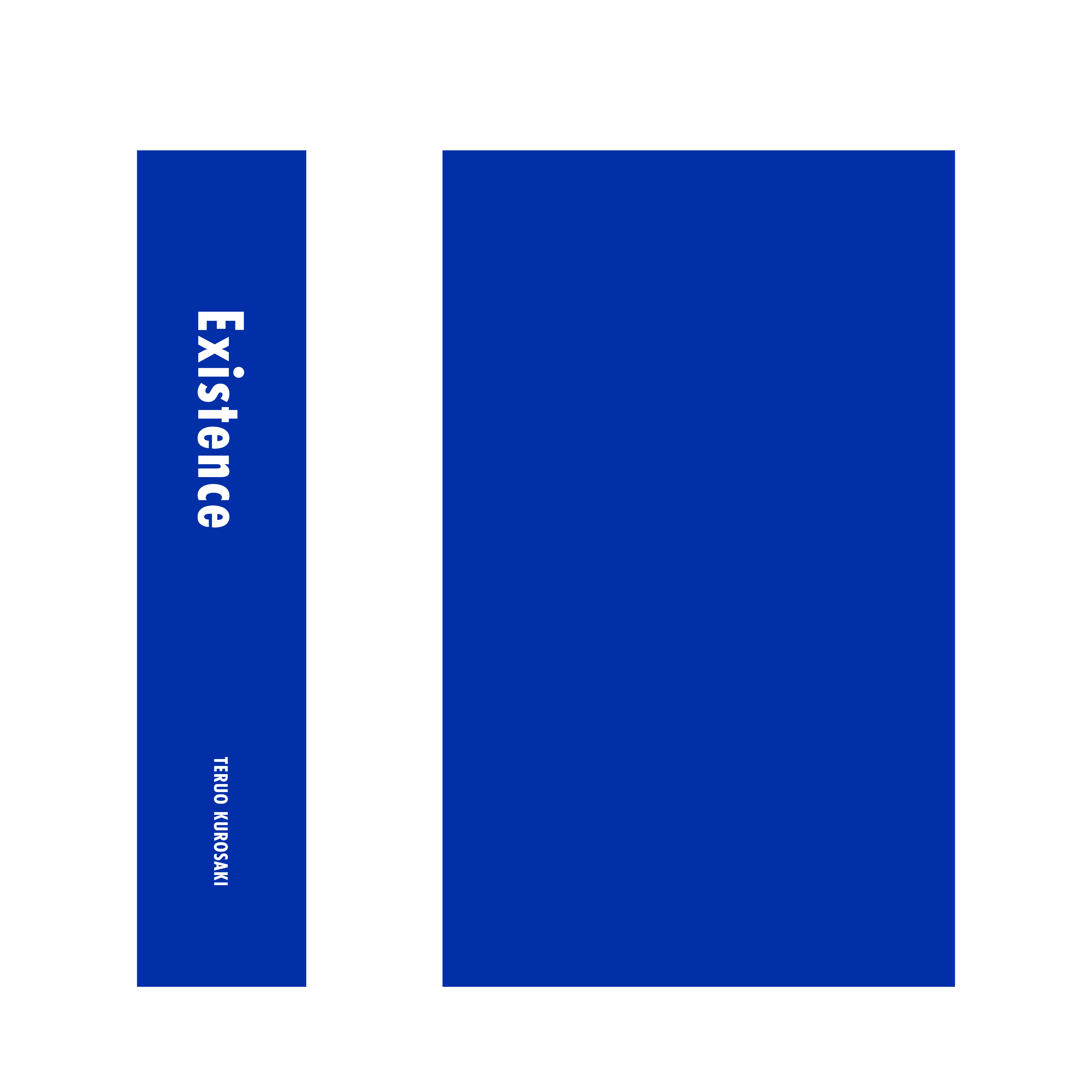
Existence

Existence

黒﨑輝男が遺した言葉と思想を、一冊に編み直した書籍『Existence』。美意識、デザイン、建築、農業、地域、食、コミュニティ。7つのテーマを軸に、「これからどう生きるか」を問い直す思想集です。

ブログや対話を通して語られてきた黒﨑の視点は、都市と自然、人と土地、経済と文化の関係性を横断しながら、「存在」そのものを見つめ続けていました。

本書では、その断片的な言葉を再編集し、現代に生きる人々への静かな指針としてまとめています。黒﨑が問い続けた「人はどう在るべきか」を未来へ手渡すための記録であり、「生き方の編集」を試みた一冊です。

著者
黒﨑輝男
挿絵
吉田真一郎
編集
九法祟雄
企画進行
大矢知史
デザイン
山本和久
発行元
黒崎輝男事務所
ページ数
300ページ
言語
日本語
価格
4,400円
発売日
6月27日 / 会場にて

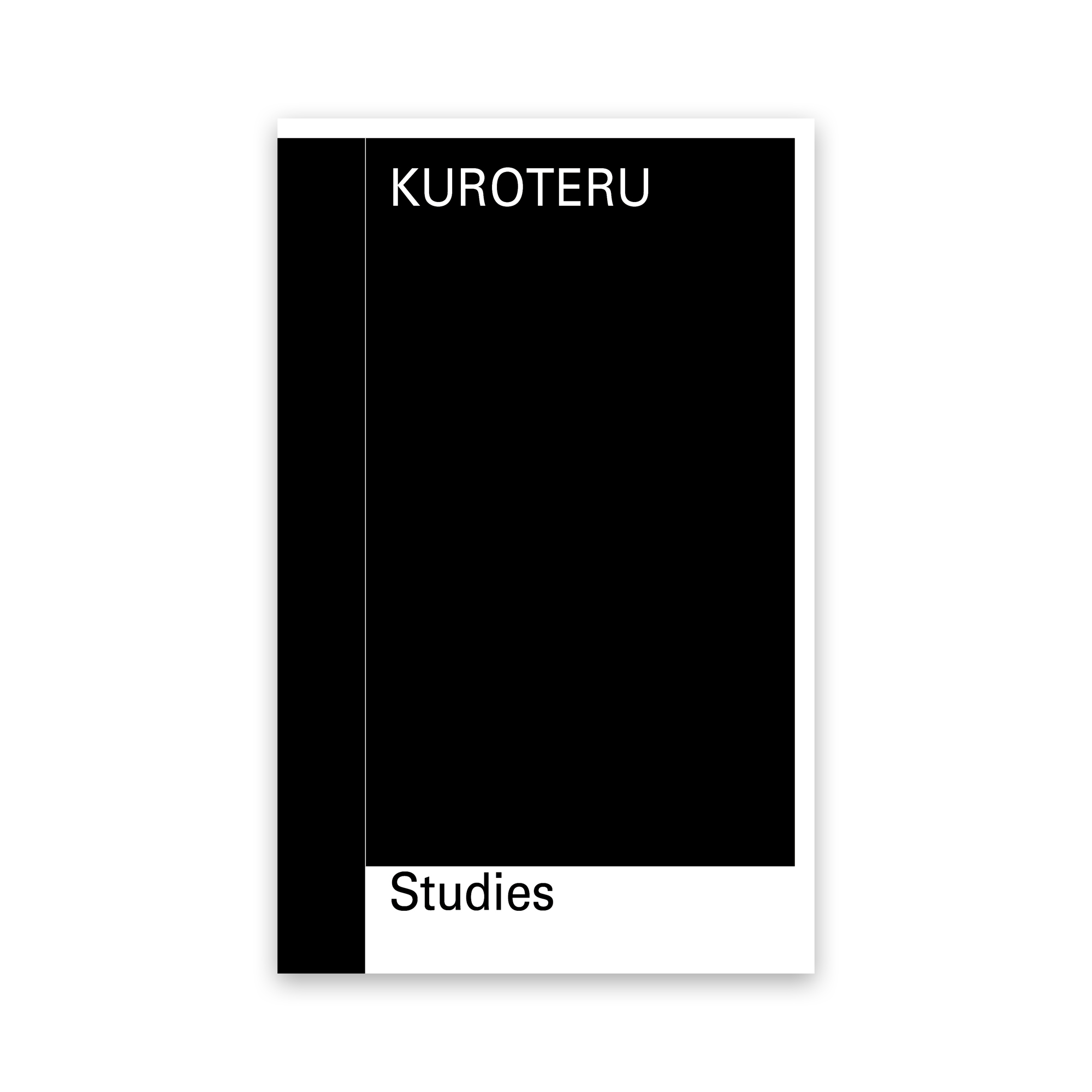
KUROTERU Studies

KUROTERU Studies

黒﨑輝男がスクーリング・パッドから自由大学へと展開した、学びのムーブメント。そこに関わった人々が、それぞれの記憶から生まれた問いを書き残した本「クロテル学」。

印象に残る場面や断片を手がかりに、「世界の見え方が変わった瞬間」を、一人一ページ400字で綴りました。断片の集積によって、「自由」という思想の輪郭が静かに立ち上がります。初版500部のみの限定仕様です。

著者
自由大学
編集
深井次郎
デザイン
大西真平
発行元
ORDINARY
ページ数
80ページ
言語
日本語
価格
2,000円
発売日
6月27日 / 会場にて

kuro AI

kuro ai

黒﨑輝男の言葉・思想を元に作られた対話型AI、「kuro」をリリースします。「何が問題かが問題だ」 黒﨑輝男のこの問いを未来に紡ぎ、訪れた方との対話を通じて問い深める伴走者としてkuro は作られました。

問題の輪郭が掴みきれない時、アイディアを新しい角度から磨きたい時、またはシンプルに黒﨑輝男の言葉を振り返りたい時。 会場にて配布されるQRコードからアクセスし、手元のスマートフォンからkuro に話しかけてみてください。

企画
佐々木拓洋
開発
福室嶺
監修
堀之内司
対応アプリ
LINE/Whatsapp
リリース日
6月27日 / 会場にて